
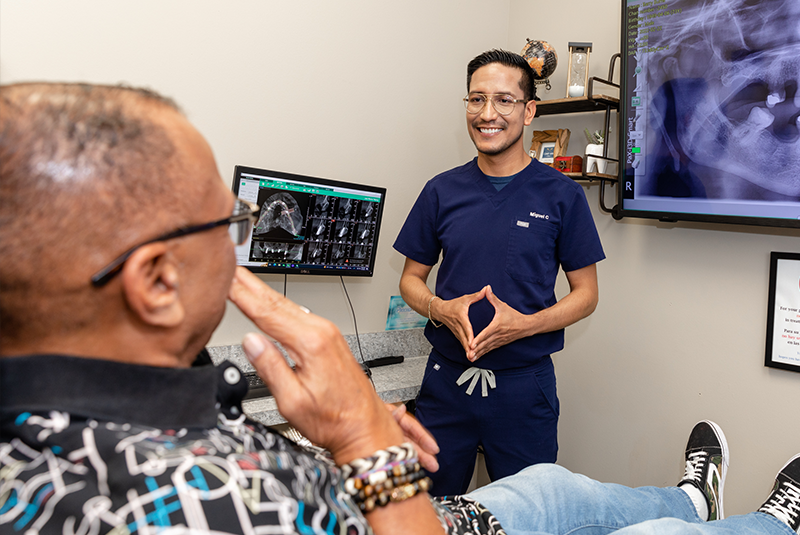
Losing a tooth can feel overwhelming, especially if you’ve been told you may not have enough bone for dental implants. It’s a common concern, and one many patients in Houston hear during their initial evaluations.
The good news is that dental implants with bone loss in Houston, TX are often still possible. Advances in modern dentistry mean that even if bone has been lost over time, there are reliable ways to rebuild support and move forward with treatment.
What Causes Bone Loss in the Jaw?
Bone loss in the jaw typically happens when the bone is no longer being stimulated by a natural tooth root. Over time, the body begins to resorb that unused bone.
Common causes include:
- Missing teeth for an extended period
- Gum (periodontal) disease
- Long-term denture use
- Trauma or injury to the area
Because this process can happen gradually, many people don’t realize bone loss has occurred until they begin exploring tooth replacement options.
Can You Get Dental Implants with Bone Loss?
In many cases, yes—you can still get dental implants even if bone loss is present.
The key is evaluating how much bone remains and whether it can support an implant as-is or with additional treatment. With today’s techniques, many patients who were once told they were not candidates now have viable options.
Options for Dental Implants with Bone Loss
Treatment depends on your specific situation, but several effective solutions are available.
Bone Grafting
Bone grafting is one of the most common approaches. It involves adding bone material to areas where bone has thinned or shrunk, helping rebuild a stable foundation for implants.
Over time, the graft integrates with your natural bone, strengthening the area.
Sinus Lift (Upper Jaw)
For implants in the upper back jaw, a sinus lift may be recommended. This procedure gently raises the sinus floor and places bone material underneath to create enough height for implant placement.
Alternative Implant Placement Techniques
In some cases, implants can be placed in areas where bone is naturally stronger or denser, avoiding the need for more extensive procedures. Smaller or strategically angled implants may also be considered.
Advanced Implant Options
For more significant bone loss, advanced solutions may be available depending on your needs and overall oral health. A personalized evaluation helps determine the most appropriate approach.
Why You Shouldn’t Wait
Bone loss does not stop on its own. The longer a tooth is missing, the more the jawbone can shrink, which may limit future treatment options.
Seeking an evaluation sooner rather than later often allows for:
- More straightforward treatment
- Fewer procedures
- Better long-term outcomes
What to Expect at Your Consultation
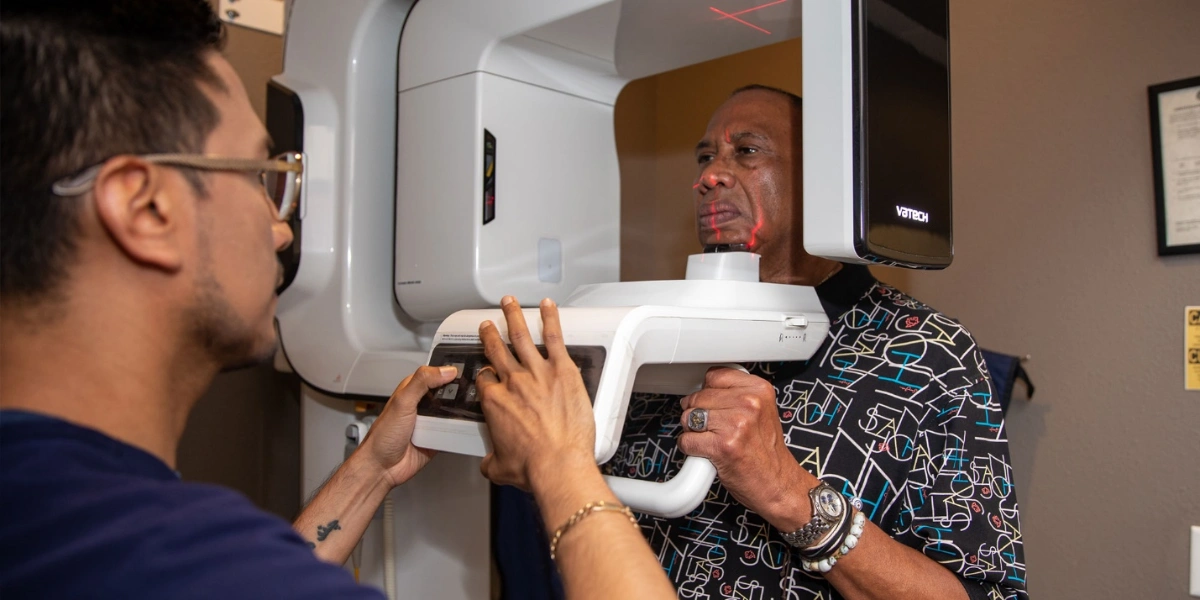
A dental implant consultation is designed to give you clear answers and a personalized plan.
Your visit may include:
- Digital imaging or 3D scans to assess bone levels
- A discussion of your goals and concerns
- A review of available treatment options
- A step-by-step explanation of the process
This is also a great time to ask questions and understand what to expect at each stage.
Take the Next Step Toward Restoring Your Smile
If you’ve been told you may not qualify for implants—or you’re unsure because of bone loss—it’s worth getting a professional evaluation.
At Amazing Dental Solutions, we work with patients throughout Houston to explore modern solutions for dental implants with bone loss in Houston, TX. With the right approach, many patients are able to restore both function and confidence in their smile.
Contact our office today to schedule your consultation and learn what options may be available to you.
Frequently Asked Questions
Can you get dental implants with bone loss?
Yes, many patients with bone loss can still receive dental implants. Additional procedures such as bone grafting or alternative placement techniques may be recommended to support the implant.
How much bone is needed for dental implants?
The amount of bone required depends on the size and location of the implant. A dental evaluation with imaging is needed to determine whether sufficient bone is present.
Is bone grafting painful?
Bone grafting is typically performed with local anesthesia, and most patients report manageable discomfort afterward. Recovery varies depending on the extent of the procedure.
How long does bone grafting take before implants can be placed?
Healing time can range from a few months to longer, depending on the type of graft and how much bone is needed.
Are there alternatives if I don’t want bone grafting?
In some cases, alternative implant techniques or placement strategies may reduce or eliminate the need for grafting. A consultation will help determine what is possible.
How do I know if I have bone loss in my jaw?
Bone loss is not always visible or noticeable. Dental imaging is the most reliable way to assess bone levels and determine candidacy for implants.