
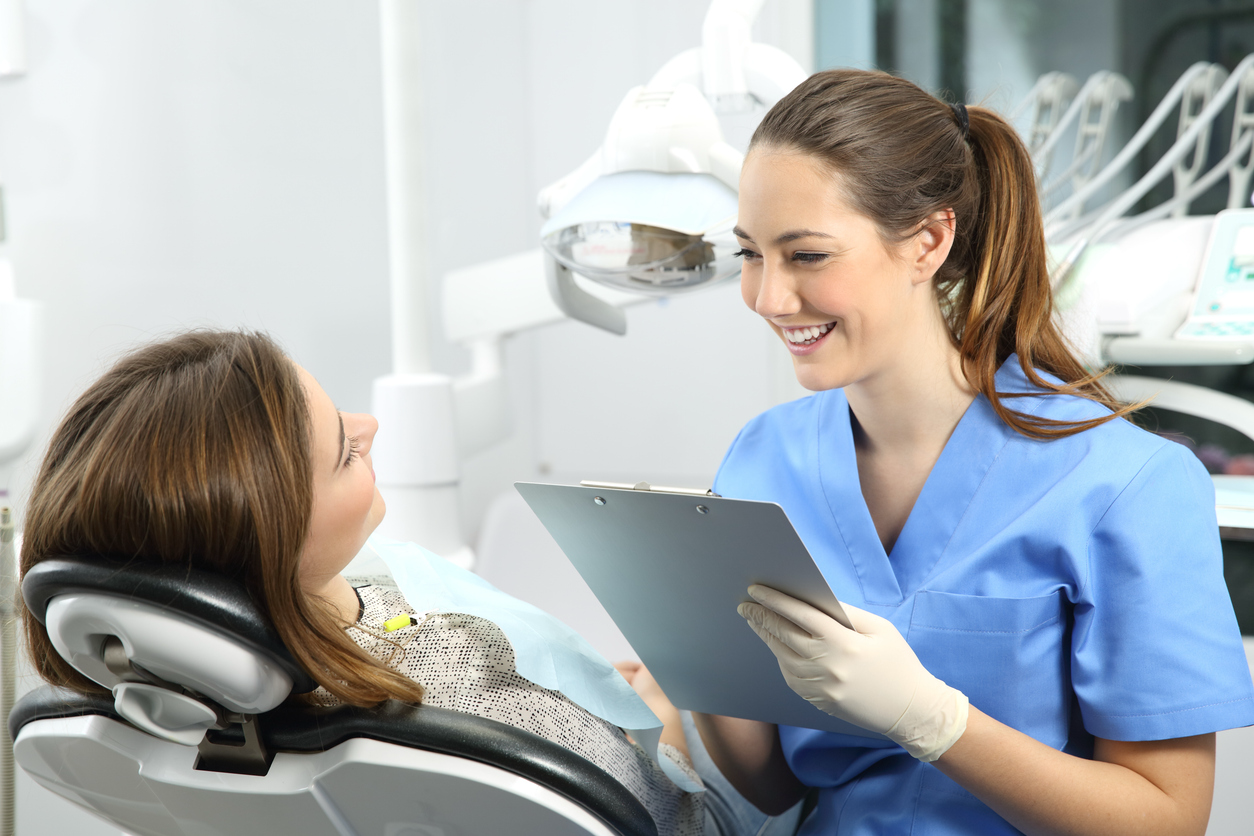
Not all wisdom teeth need to be removed. Some erupt normally, remain healthy, and function like other molars. Others become impacted, are difficult to clean, or place neighboring teeth and surrounding bone at risk.
Whether wisdom teeth should be removed depends on how they are developing, the amount of space available in the jaw, and whether they are affecting nearby teeth or gums. An evaluation by Dr. Amaning provides the information needed to determine whether monitoring or removal is the best option for your long-term oral health.
When Wisdom Teeth Can Be Left Alone
Wisdom teeth can often remain in place if they are:
- Fully erupted
- Properly positioned
- Easy to clean
- Free of decay
- Surrounded by healthy gum tissue
- Not damaging neighboring teeth
When these conditions are present, regular examinations and dental imaging allow Dr. Amaning to continue monitoring the teeth for changes over time.
The goal is to preserve healthy wisdom teeth while identifying those that should be removed.
When Wisdom Teeth Should Be Removed
Wisdom tooth removal may be recommended when the teeth are affecting your oral health or are unlikely to erupt properly.
Reasons for removal include:
- Impacted wisdom teeth
- Repeated pain, swelling, or infection
- Tooth decay
- Gum disease around partially erupted wisdom teeth
- Damage to neighboring teeth
- Cysts associated with impacted wisdom teeth
- Insufficient space for proper eruption
- Orthodontic treatment considerations
- Difficulty cleaning the area because of the tooth’s position
The American Dental Association’s MouthHealthy guide to wisdom teeth explains how impacted wisdom teeth can affect surrounding teeth and oral health.
Wisdom Teeth Can Cause Hidden Problems
Pain is not always the first sign that a wisdom tooth needs attention.
An impacted wisdom tooth can remain hidden beneath the gums while pressing against a neighboring tooth, trapping bacteria, or creating conditions that increase the risk of infection. Cysts can also develop around impacted teeth and gradually affect nearby bone.
These problems can develop before noticeable symptoms appear, making routine evaluations an important part of protecting your oral health.
Why an Early Evaluation Is Important
Wisdom teeth usually begin developing during the teenage years and often erupt between the late teens and early twenties. Evaluating them during this stage allows Dr. Amaning to see how they are developing before complications occur.
A wisdom tooth evaluation can determine:
- Whether enough room is available for proper eruption
- Whether the teeth are impacted
- Whether neighboring teeth are at risk
- Whether monitoring or removal is the better approach
Early evaluation does not automatically mean surgery is needed. It simply provides the information necessary to make an informed decision.
Can Wisdom Teeth Be Removed Before They Cause Problems?
Yes. Wisdom teeth are frequently removed before they fully erupt when 3D imaging shows they are unlikely to come in properly.
Limited space in the jaw, impacted teeth, or concerns about how the wisdom teeth may affect neighboring teeth can all influence that decision. Patients who have completed orthodontic treatment may also benefit from an evaluation if their dentist or orthodontist is concerned about the position of the developing wisdom teeth.
Rather than waiting for pain to develop, Dr. Amaning can determine whether early removal is appropriate based on the position of the teeth and the findings from your 3D scan.
What Happens During a Wisdom Tooth Evaluation?
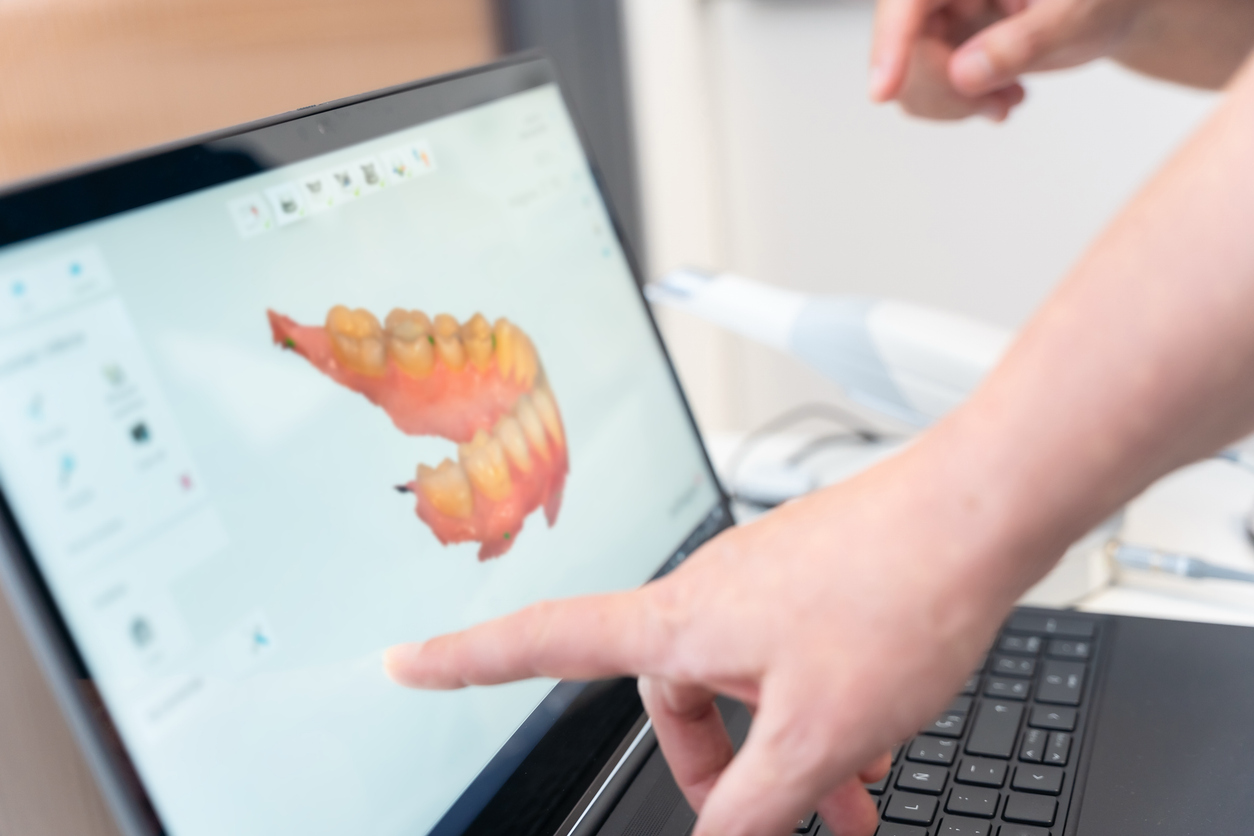
Your evaluation is designed to determine whether your wisdom teeth should remain in place or be removed.
Dr. Amaning begins by reviewing your dental and medical history before performing a comprehensive examination. Precise 3D scans are then taken to evaluate the position and angle of your wisdom teeth, the amount of available space in your jaw, and their relationship to neighboring teeth.
Using this information, Dr. Amaning will recommend monitoring your wisdom teeth or removing them based on your individual needs.
If removal is recommended, he will explain the procedure, discuss anesthesia options, answer your questions, and review what to expect during recovery.
To learn more about the procedure itself, visit our Wisdom Tooth Removal page.
Schedule a Wisdom Tooth Evaluation with Dr. Amaning
If you have pain near your back molars, have been told your wisdom teeth are impacted, or simply want to know how they are developing, schedule a consultation at Amazing Dental Solutions.
Dr. Amaning uses advanced 3D imaging to evaluate your wisdom teeth and recommend the treatment approach that best protects your long-term oral health. Contact Amazing Dental Solutions today to schedule your consultation.
Frequently Asked Questions
At what age should wisdom teeth be evaluated?
Wisdom teeth are commonly evaluated during the late teenage years or early twenties because this is when they begin to develop and erupt. Adults who still have their wisdom teeth can also benefit from an evaluation if concerns arise.
Can wisdom teeth be removed before they come in?
Yes. If 3D imaging shows the teeth are unlikely to erupt properly or are likely to become impacted, removal may be recommended before they emerge through the gums.
Can impacted wisdom teeth cause problems without pain?
Yes. Impacted wisdom teeth can damage neighboring teeth, contribute to infection, or develop cysts before symptoms become noticeable.
Can pain, swelling, or tenderness in the back of the mouth be related to wisdom teeth?
Yes. Pain, swelling, or tenderness in the back of the mouth can occur as wisdom teeth develop, begin to erupt, or become impacted. These symptoms can also be caused by other dental conditions. Dr. Amaning can examine the area and use 3D imaging to determine the cause and recommend the most appropriate treatment.
Why should I choose an oral surgeon for wisdom tooth removal?
Oral surgeons receive advanced surgical training and routinely perform wisdom tooth extractions, including complex impacted cases. Their specialized training allows them to diagnose and treat a wide range of wisdom tooth conditions.